
Arizonans needs protection from AI data center impacts
- The Arizona Daily Star
Some of the data centers use a lot of water that is increasingly scarce in Arizona. As Sarah Porter, Director of the Kyl Center for Water Policy, pointed out to me, citing another person's research: In Arizona, each demand for an answer from a generative AI tool like ChatGPT consumes 2 1/4 tablespoons of water for cooling the centers.
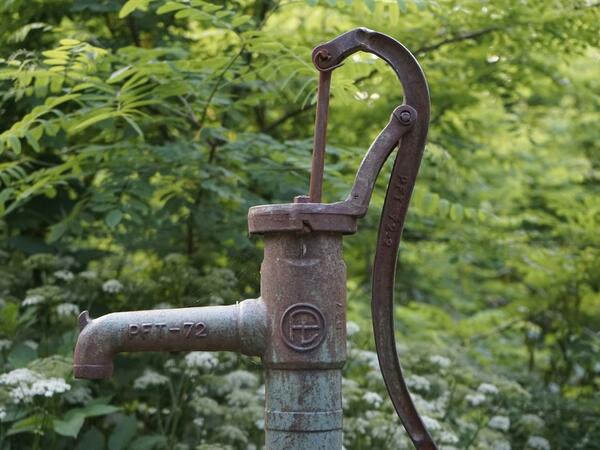
Arizona takes major step toward regulating groundwater pumping in Willcox area
- Arizona Daily Star
Kathleen Ferris, a former ADWR director and now an Arizona State University water researcher, called the department’s action long overdue. “We have seen the pillaging of the groundwater supplies in the Willcox basin by industrial scale agriculture for too long. It hasn’t stopped. When the AMA initiative was voted down, more and more agricultural land has come into production since then,” said Ferris.
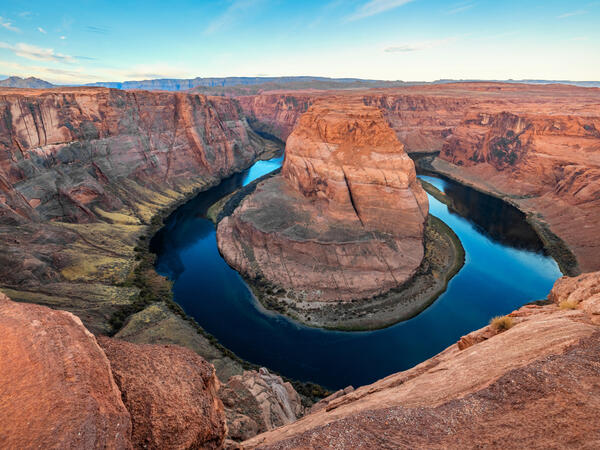
Colorado River crisis: Complex challenges prevent piping water from the East
- The Sentinel
“Sometimes I feel like people don’t want to do the heavy lifting,” said Kathleen Ferris, who is now a water policy researcher at Arizona State University. “Instead, they want to just find the next water supply and be done with it and have somebody else pay for it.”

Hospital hit by Hurricane Milton gets system to grab water from air
- New Scientist
"Atmospheric water harvesting systems can be an 'important tool' for disaster response when water supplies might be offline for an extended period of time," says Paul Westerhoff at Arizona State University, and are well-suited for places with relatively high humidity like Florida. However, he says their reliance on electricity, often from a generator, has been an issue during past disasters.
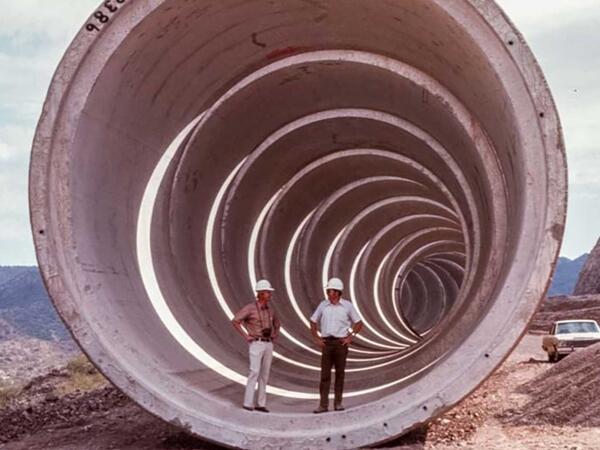
Why don’t we just fix the Colorado River crisis by piping in water from the East?
- KUNC
“Why don't we do the things that we know are possible and that are within our jurisdiction first,” Kathleen Ferris said, “Before we go looking for some kind of a grand proposal that we don't have any reason to believe at the moment could succeed.”
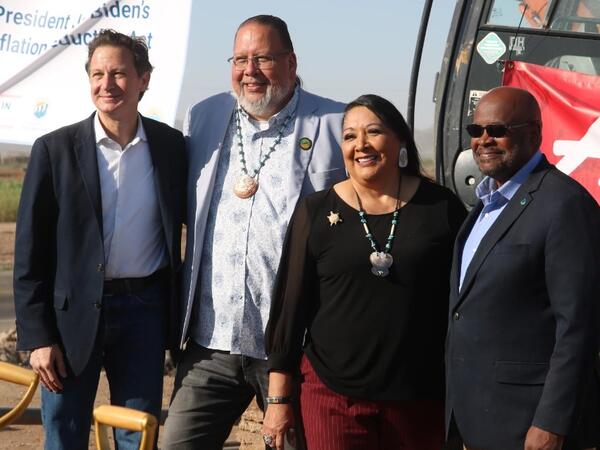
How Gila River Indian Community is planning to save 73K acre-feet of water
- KJZZ
“I think the investment in the infrastructure will ultimately make the system more resilient for the community,” said Cora Tso, a senior research fellow at Arizona State University's Kyl Center for Water Policy. “The ag industry uses a significant amount of water, and thinking about making that system more sustainable would ultimately benefit the state.”

Why chip manufacturers choose Arizona's desert environment
- ASU News
"Beyond water, chip fabrication requires geologically stable ground, low humidity and a positive business climate for manufacturers and the families they employ. Even without Arizona’s approach to water usage, the dry climate is ideal," says Paul Westerhoff.
The fight over updating Arizona's rural groundwater law
- AZ Public Media
"Many people in Arizona believe, even though it's incorrect, that the water under their land is their property. That's never been the law in Arizona, and we have an Arizona Supreme Court opinion that says it is not your property," says Sarah Porter. "But regardless of what our Supreme Court said at some point, it feels to people, to some people, that we're tinkering with a property right."
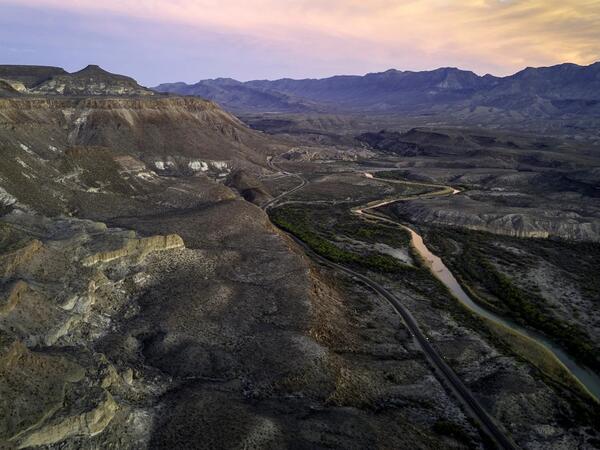
Managing groundwater on the US -Mexico border is challenging but vital
- American Public Media
“I’ve been screaming into the wind about this for 15, 20 years now,” said Jay Famiglietti. “We don’t know how much groundwater we have, which seems ridiculous. And the reason we don’t know is because it costs money [to find out].”
Climate change raises challenge to secure vital resource
- ASU News
“We’re trying to help CAP anticipate what the Colorado River will look like in the future, 20 years from now and 100 years from now, because water agencies need to start adapting management to a new reality and communicating this to those sectors in Arizona that depend on its water supply,” Enrique Vivoni says. “This includes farmers, cities and tribes, so it affects the entire state’s economic activity.”