
Why hydrants ran dry as firefighters battled California's deadly fires
- LA Times
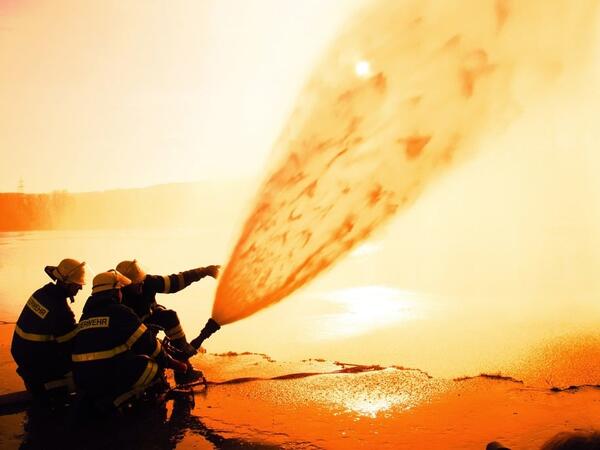
“Local water systems are usually designed to fight local, small-scale fires over a limited time period,” said Kathryn Sorensen, director of research at Arizona State University’s Kyl Center for Water Policy. “They are not generally designed to fight large, long-lasting wildfires.”

LA Fire Hydrants Running Dry Poses New Danger in Combating Blazes
- Bloomberg
Taking steps such as building more defensible space around homes will help, but the state’s 2,800 water systems will also need upgrades. Because they “have vastly different planning and operational capacities,” there’s no one-size-fits-all approach, according to a 2021 report co-authored by Faith Kearns and Greg Pierce.
Here's what really caused L.A. fire hydrants to run out of water
- National Geographic
Faith Kearns, a wildfire and water expert with the Global Futures Laboratory at Arizona State University, said understanding the impacts of wildfires on water systems is a relatively new area of study, particularly when it comes to urban areas like Los Angeles. Kearns co-authored a 2021 brief on this intersection, focusing on California and inspired by incidents like the 2017 Tubbs Fire, which burned into the city of Santa Rosa.
“Forever chemicals” in wastewater far more widespread than previously known
- New York University
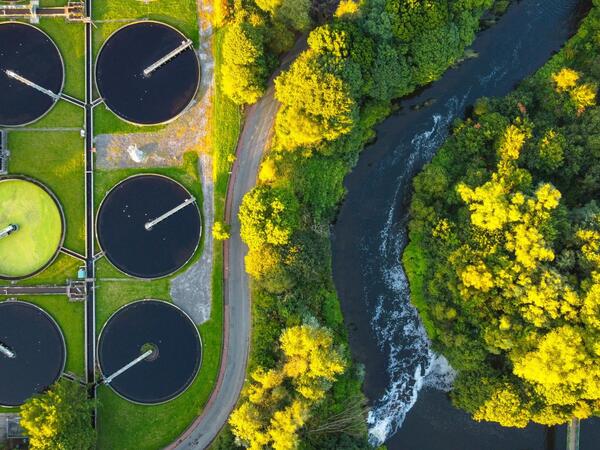
The "forever chemicals" flowing from U.S. wastewater treatment plants are not only more abundant than previously thought, but also largely consist of pharmaceuticals that have received little scientific or regulatory attention, a new multi-university study reveals.

A water fix that takes on the yuck factor
- ASU News
“The technology is very well-established,” says Sarah Porter, director of the Kyl Center for Water Policy at ASU’s Morrison Institute for Public Policy.
Groundwater free for all
- This American Land - PBS
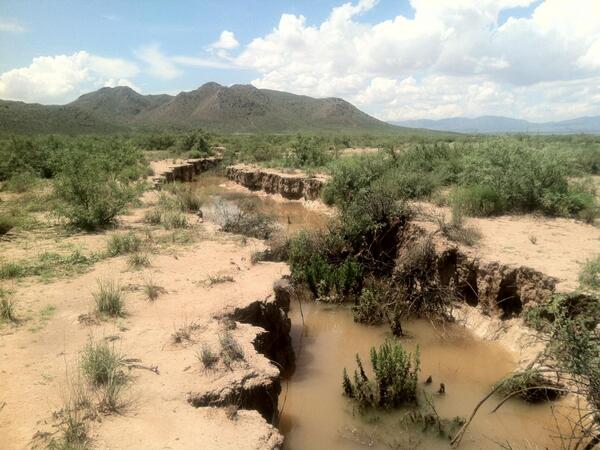
"Arizona has experienced an influx of industrial-scale agriculture, which winds up hastening the depletion of the aquifers," says Sarah Porter. "Those companies, which have been somewhat vilified, came in and did something perfectly lawful."
Landmark government report calls for national mobilization to curb groundwater depletion
- LA Times
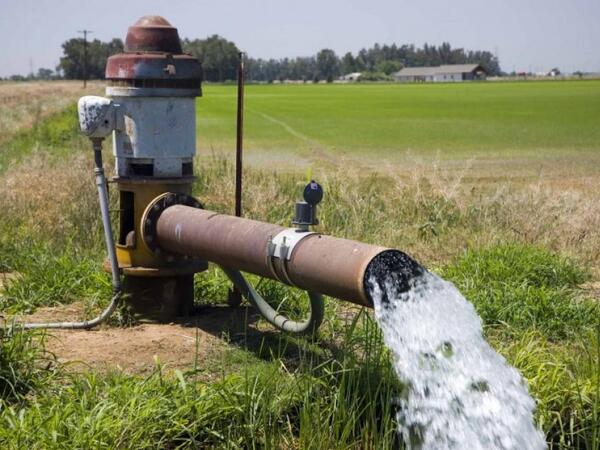
The seminal report is “a beacon for the future of groundwater management,” said Jay Famiglietti, a water scientist and global futures professor at Arizona State University. “Its recommendations are comprehensive and forward looking, and if implemented over time, can be a game-changer for groundwater sustainability in the United States.”
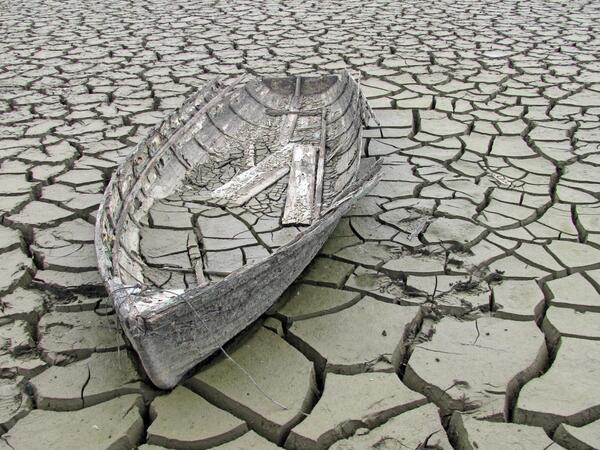
Despite best hopes, Southwest drought may be here to stay
- Courthouse News
“I don’t think we should be looking for any break in the severity of what we’re experiencing,” Jay Famiglietti, a professor and climate researcher at Arizona State University, told Courthouse News. “It’s only gonna continue and it’s only gonna get worse.”
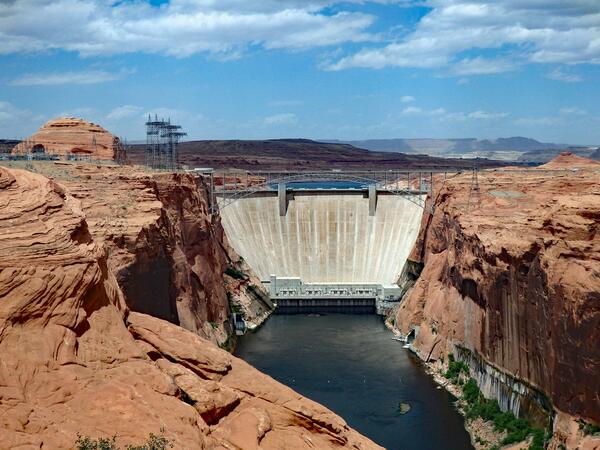
Colorado River negotiations stall: What's next in the race to reach a deal?
- NPR
Negotiators from the seven states that use the water from the Colorado River for cities and farms across the Western U.S. are running out of time to reach a deal to share the water in times of drought. Get an update on the stalled negotiations from Kathryn Sorenson. She’s director of research at the Kyl Center for Water Policy at Arizona State University.

Anxious scientists brace for climate denialism
- The Guardian
Jay Famiglietti, a hydrologist at Arizona State University who has come to AGU meetings since 1989, attended this year’s event to reveal terrifying findings about the loss of available freshwater around the world, due to the climate crisis and agricultural practices. “People like me who are experts need to step up and say, ‘I think this should be done,’” said Famiglietti.