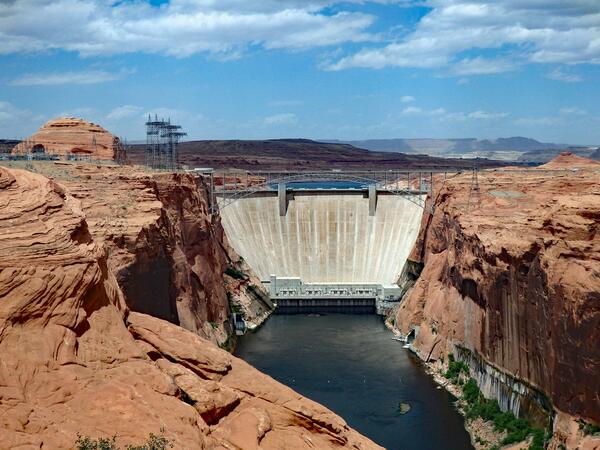
Colorado River Basin has lost as much water as a full Lake Mead since 2003, study says
- KJZZ
In the last 10 years, the water depletion was three times faster than the decade before. The vast majority of the loss was groundwater.
Arizona State University professor Jay Famiglietti co-authored the paper and says the loss comes from climate change, population growth.
“It's in part a lack of management. And if we want to survive and, you know, eat food, because, again, most of our water is used to produce food if we want to be doing that for decades and decades and centuries, now is the time to make those changes," Famiglietti said.
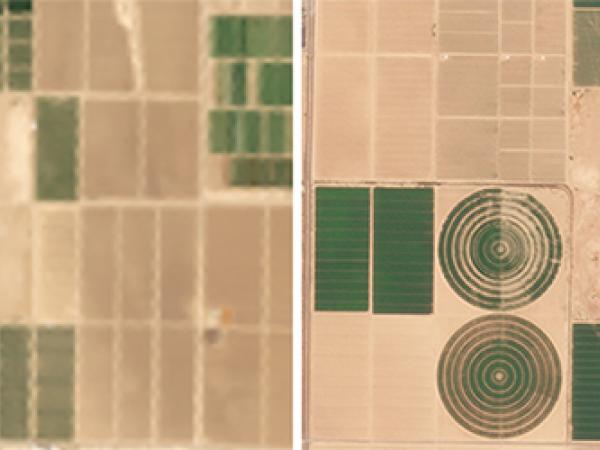
Study: Groundwater loss across Colorado River Basin threatens economic security
- Arizona Daily Star
“The work suggests that, in states like Arizona, where only 18% of the area of the state has groundwater management, that expansion of groundwater management across the entire state is a critical step towards preserving this precious resource for future generations and for long-term economic vitality in the region,” Jay Famiglietti said.
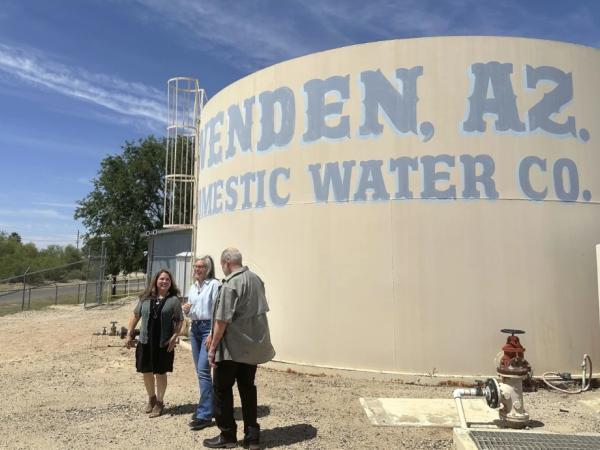
Arizona’s rural groundwater deal stalls as legislative session nears end
- Associated Press
Meanwhile, underground water supplies continue to shrink to the point that some wells in rural areas have gone dry. Residents are faced with the choice of drilling deeper, hauling water or moving, said Sarah Porter, director of the Arizona State University Kyl Center for Water Policy. Managing the groundwater won’t reverse the decline but can slow it, she said.
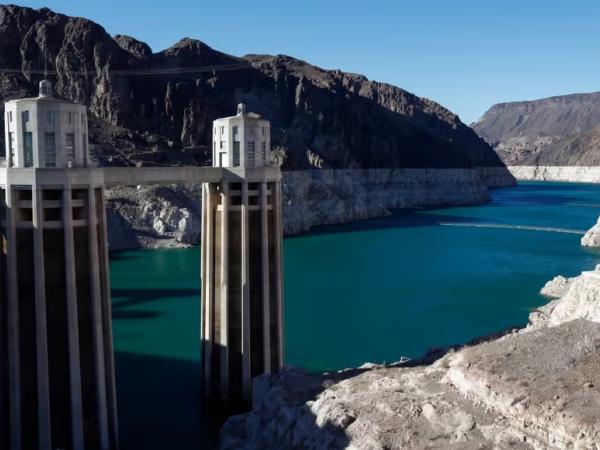
The Colorado River is running low. The picture looks even worse underground, study says.
- Washington Post
Famiglietti noted that it is almost impossible to know how much groundwater is ultimately available for humans — and the cost required to access it by drilling ever deeper wells also varies dramatically by area. “What we do know is that water tables are falling, that the ground is subsiding,” he said. “We know bad things are happening.”
“The more surface water we lose from the Colorado River, the more pressure there’s going to be on the groundwater,” Famiglietti said. “And then it becomes a ticking time bomb.”
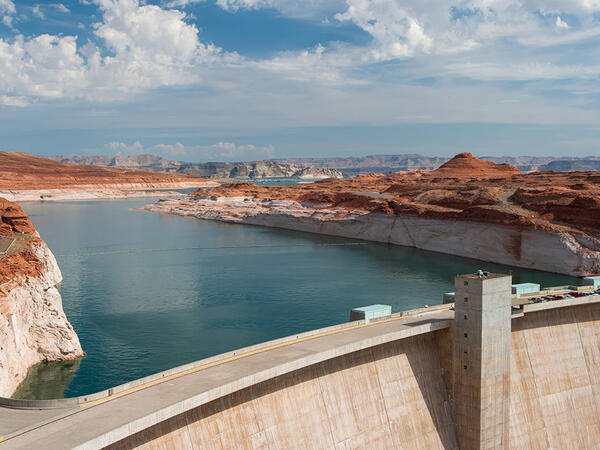
Instead of cuts, federal officials are extending agreements to conserve Colorado River water
- KJZZ
The Bureau of Reclamation is extending some contracts to conserve water. It’s the kind of spending that was common under the Biden administration, but stands out now. Sarah Porter directs the Kyl Center for water policy at Arizona State University. She says we shouldn’t read into it too much.
"It does indicate, I think, that the bureau and maybe the Interior Department, understand that the Colorado River is in pretty precarious shape, and that, you know, something needs to be done," Porter said.
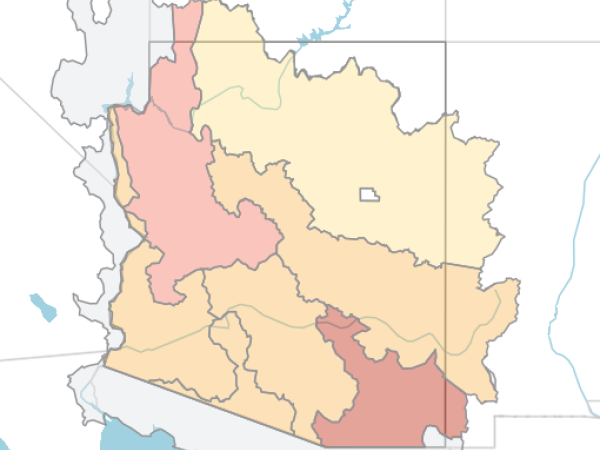
Groundwater is rapidly declining in the Colorado River Basin, satellite data show
- LA Times
“The Colorado River Basin is losing groundwater at an alarming rate,” said Karem Abdelmohsen, the lead author and a researcher at ASU’s School of Sustainability. “If this trend continues, it could lead to severe water shortages that impact not only local farmers and residents but also broader agricultural markets and municipal water supplies throughout the southwestern U.S.”
“Climate change is only exacerbating the stress on groundwater,” said Jay Famiglietti, the study’s senior author and science director for ASU’s Arizona Water Innovation Initiative.
Colorado River basin has lost nearly the equivalent of an underground Lake Mead
- The Guardian
“Groundwater is disappearing 2.4 times faster than the surface water,” said Jay Famiglietti, a hydrologist at Arizona State University and the study’s senior author.
“Everyone in the US should be worried about it, because we grow a lot of food in the Colorado River basin, and that’s food that’s used all over the entire country,” he added. “These days, we’re also supporting a number of data centers and computer chip manufacturers, and these are essential to our economy.”
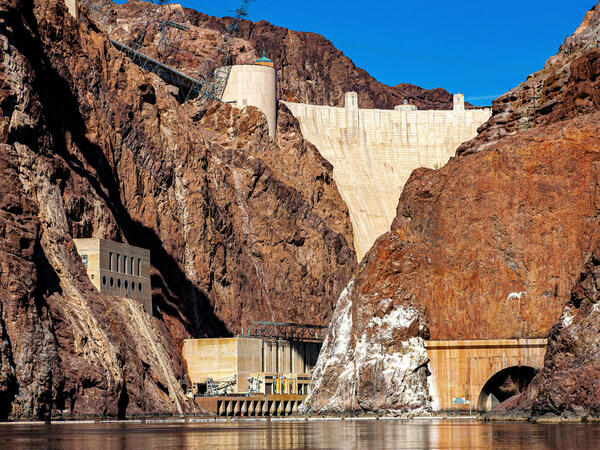
This 'rainy day fund' for the Colorado River incentivizes saving more water
- KJZZ
Negotiations continue between the seven Colorado River basin states over new rules dealing with use of the overallocated river, and the clock is ticking. But one area of those talks that’s not getting a lot of attention is the idea of setting some water aside, and the details of how that might happen. Kathryn Sorensen, director of research at the Kyl Center for Water Policy, has been thinking and writing about this and joined The Show to discuss.
‘Arizona Horizon’ on water conservation, the water crisis and developing policies
- Arizona PBS
The Kyl Center for Water Policy recently released a study on tap water affordability in Arizona which found most water systems could increase their rates and stay affordable for homes in low-income areas. Grant Heminger, Policy and Research Analyst at the Kyl Center for Water Policy, joined “Arizona Horizon” to discuss.
Hermosillo struggles with water waste amid staggering drought
- KJZZ
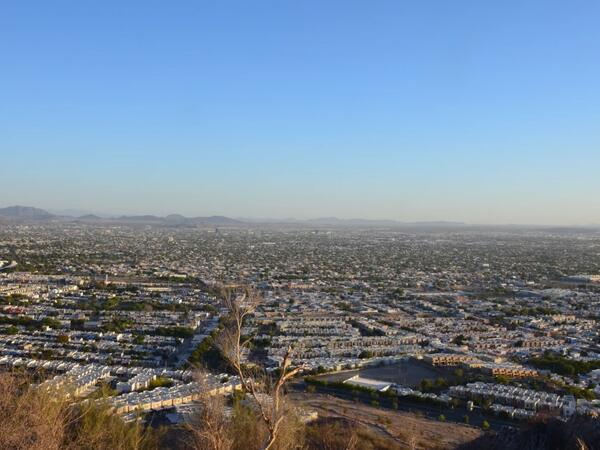
“It’s like a double whammy,” said Arizona State University hydrology professor Enrique Vivoni, who’s studied the Río Sonora watershed for years. “Two seasons back to back where one would expect precipitation to help alleviate the drought have failed. And thus the drought situation has worsened considerably.”